
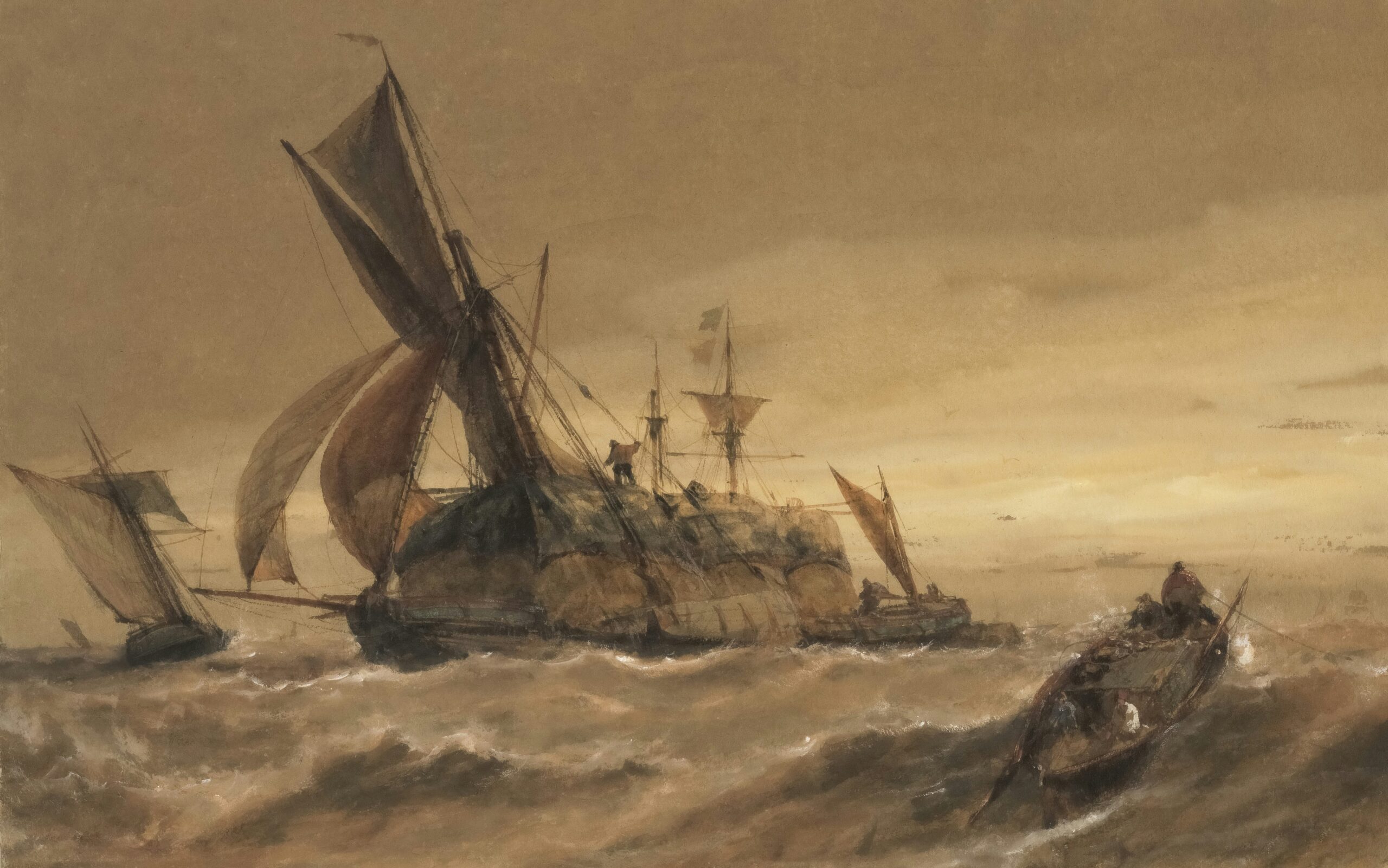
The Flannan Isles Lighthouse was not merely a structure of stone and glass; it was a beacon of hope in an unforgiving landscape. Built in 1899, it was designed to guide vessels through the perilous waters of the Atlantic, where storms could rise with little warning. The lighthouse stood as a testament to human ingenuity, a marvel of engineering that combined beauty with functionality. Yet, its very isolation—surrounded by jagged cliffs and turbulent seas—made it a place of both reverence and dread. For those who lived and worked there, the lighthouse was a sanctuary and a prison, a place where the roar of the ocean could drown out thoughts of home and family.
In the early 1900s, lighthouses were critical to maritime safety. They were manned by dedicated keepers who lived in isolation, often cut off from the outside world for weeks at a time. The job required not only technical skill but also an iron will to withstand the psychological toll of solitude. The keepers were responsible for maintaining the light, ensuring that it shone brightly through storms and fog. They were guardians of life and death, their work often going unnoticed until tragedy struck. In this context, the disappearance of Ducat, Marshall, and MacArthur became not just a local mystery but a national concern.
As winter descended upon the isles, the days grew shorter and darker. The men faced not only the physical challenges of their work but also the psychological strain of isolation. The lighthouse was equipped with all necessary provisions, yet it could feel like a prison when storms raged outside. The flickering light from their lanterns cast long shadows on the walls, creating an eerie ambiance that could unsettle even the most stalwart of souls. Each man had his own way of coping with the solitude; some turned to books or music while others found solace in conversation or prayer. Yet beneath their stoic exteriors lay an undercurrent of fear—fear of what lay beyond the cliffs and what might happen if they were ever truly alone.
Upon arrival at the lighthouse, the crew discovered an unsettling scene: the light was extinguished, and no sign of life greeted them. The door stood ajar, as if inviting them into a realm of uncertainty. Inside, they found Ducat’s oilskin coat hanging by the door—a detail that would haunt many who heard of it later. The table was set for a meal that had never been eaten; plates remained untouched as if time had frozen in that moment. A sense of dread settled over the relief crew as they searched for any sign of the missing men.
The absence of any distress signals or messages added to the mystery surrounding their disappearance. It was as if they had stepped into another realm entirely—one where time ceased to exist and reality blurred into myth. As word spread about their vanishing act, speculation ran rampant among locals and sailors alike. Some whispered about supernatural forces at play; others suggested that perhaps they had succumbed to madness brought on by isolation.
Local folklore added another layer to these theories; tales of ghostly apparitions and ancient sea spirits began to circulate among fishermen and townsfolk alike. Some claimed that the spirits of lost sailors had claimed the keepers as their own, drawing them into an eternal abyss beneath the waves. Others spoke of mermaids luring men to their doom—a narrative steeped in maritime tradition that seemed to resonate with those who lived near these treacherous waters.
Despite thorough searches conducted by both land and sea, no trace of Ducat, Marshall, or MacArthur was ever found. The investigation revealed little more than speculation; no bodies washed ashore nor any evidence suggesting foul play or accident could be uncovered. The logbook entries became central to understanding their final days—each entry revealing glimpses into their state of mind as they faced an uncertain fate.
Local folklore intertwined with these accounts created an atmosphere thick with superstition—a belief that perhaps something otherworldly had intervened in this tragedy. Stories circulated about ancient shipwrecks and lost souls seeking vengeance against those who dared tread upon their domain; these narratives took root in collective memory as whispers echoed through coastal towns.
Changes were implemented in training programs for future lighthouse keepers; emphasis shifted toward ensuring adequate support systems were in place for those tasked with such solitary duties. The incident served as a stark reminder that even in positions deemed secure by society’s standards—where lives depended on vigilance—human fragility remained ever-present.
Recent research has also sought to understand how societal perceptions surrounding masculinity influenced these men’s experiences—how expectations placed upon them may have shaped their responses when faced with adversity or uncertainty within their isolated environment.
As time marches on, new generations grapple with questions left unanswered: What truly happened to James Ducat, Thomas Marshall, and Donald MacArthur? Were they victims of circumstance or something far more sinister? Perhaps it is this very uncertainty that keeps their story alive—a haunting reminder that some mysteries are destined to remain forever shrouded in fog and shadow.