
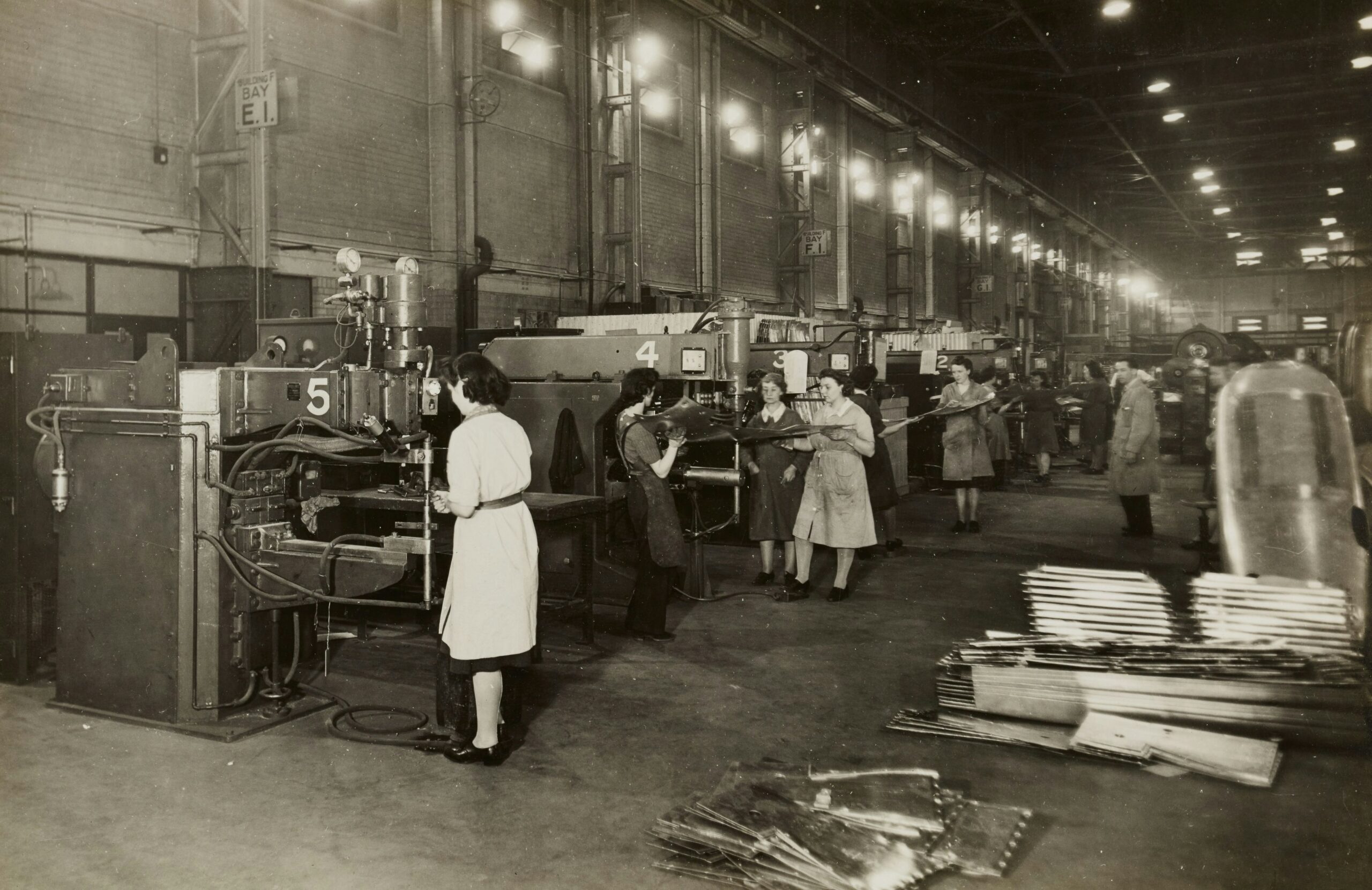
In the dim light of a factory in the early 1920s, a group of young women sat hunched over their workstations, their delicate fingers deftly painting the dials of watches and clocks with a luminous substance that glowed like the stars. The air was thick with the scent of paint and the faint metallic tang of radium, a substance that promised to illuminate the night but would soon cast a long shadow over their lives. These women, known as the Radium Girls, were not merely workers; they were daughters, sisters, and friends, each with dreams and aspirations that extended beyond the confines of the factory walls. Yet, as they meticulously applied the glowing paint to their brushes, they were unaware of the insidious danger lurking within the very material that made their work so enchanting.
The Radium Girls were employed by several companies, most notably the United States Radium Corporation, which had capitalized on the public’s fascination with radium. This newfound element was heralded as a miracle cure for ailments ranging from arthritis to cancer, and its use in consumer products was seen as a sign of modernity and progress. The women, often in their late teens or early twenties, were drawn to these jobs not only for the pay but for the allure of working with something so extraordinary. They painted dials with precision, often using their lips to shape the brushes, unwittingly ingesting the very substance that would lead to their undoing. The glow of radium was intoxicating, a siren song that masked the peril it posed.
The story of the Radium Dial Painters is one steeped in both ambition and tragedy. These women were part of a burgeoning workforce that sought independence and financial stability in a rapidly changing world. They worked long hours under harsh conditions, often for meager wages, yet they found camaraderie in their shared experiences. The factory buzzed with laughter and chatter as they painted, their spirits buoyed by the promise of a brighter future. But beneath this veneer of normalcy lay a grim reality. As time passed, many of these women began to experience alarming health issues—painful dental problems, mysterious illnesses, and debilitating fatigue. What had once been a source of pride became a harbinger of suffering.
The impact of radium on the women’s health was both insidious and devastating. Initially dismissed as mere coincidences or the result of poor hygiene, their ailments soon became impossible to ignore. The women suffered from necrosis of the jaw, a condition that left them with rotting teeth and exposed bone. They experienced severe anemia, bone fractures, and other debilitating symptoms that rendered them unable to work. The factory’s management remained largely indifferent to their plight, attributing their suffering to personal failings rather than acknowledging the toxic environment in which they labored. It was a cruel irony that the very substance that had promised them prosperity was now stealing their health and vitality.
As the women began to connect their deteriorating health to their work with radium, one voice emerged as a beacon of hope: Grace Fryer. A former dial painter herself, Grace became determined to seek justice not only for herself but for her fellow workers who had suffered in silence for too long. Her journey was fraught with challenges; she faced skepticism from medical professionals who were reluctant to link radium exposure to their ailments and indifference from corporate executives who prioritized profit over people. Yet Grace’s resolve only strengthened as she witnessed her friends succumb to illness. She became an advocate for change, rallying her fellow workers to join her in a legal battle against the very company that had exploited them.
The legal battle that ensued was not just about compensation; it was a fight for recognition and accountability. Grace Fryer and her fellow plaintiffs faced an uphill struggle against a powerful corporation that wielded significant influence over public perception and legal proceedings. Their case drew attention not only for its emotional weight but also for its implications regarding workers’ rights and corporate responsibility. As they navigated the complexities of the legal system, they encountered numerous obstacles—hostile witnesses, dismissive judges, and a society that often viewed women as less credible than their male counterparts. Yet through it all, Grace’s tenacity shone brightly, illuminating the path toward justice.
The Radium Girls’ fight for workers’ rights transcended their individual struggles; it became emblematic of a broader movement advocating for labor protections and workplace safety. Their case highlighted the urgent need for regulations governing hazardous materials and established a precedent for future labor disputes. As public awareness grew regarding the dangers of radium exposure, so too did support for the women who had suffered in silence for far too long. Their courage inspired others to speak out against unsafe working conditions and demand accountability from employers who prioritized profit over employee welfare.
The legacy of the Radium Girls’ case is multifaceted and enduring. Their story serves as a poignant reminder of the human cost of industrial progress—a cautionary tale about the intersection of science, commerce, and ethics. The legal victories achieved by Grace Fryer and her fellow plaintiffs not only provided some measure of justice but also catalyzed significant changes in labor laws across the United States. Their plight prompted lawmakers to consider regulations that would protect workers from exposure to toxic substances, ultimately leading to more stringent safety standards in various industries.
In addition to influencing labor law, the Radium Girls’ impact on workplace safety cannot be overstated. Their experiences underscored the importance of transparency regarding hazardous materials and informed consent in employment practices. The public outcry surrounding their case led to increased scrutiny of industrial practices and greater advocacy for worker protections. The Radium Girls became symbols of resilience in the face of adversity, inspiring future generations to prioritize safety over profit and advocate for their rights in an ever-evolving labor landscape.
Remembering the Radium Girls is essential not only for honoring their legacy but also for acknowledging the sacrifices they made in pursuit of justice. Their stories are woven into the fabric of labor history—a testament to the power of collective action and the importance of standing up against injustice. Memorials and educational initiatives have emerged in recent years to ensure that their contributions are not forgotten. Museums and historical societies have dedicated exhibits to their story, while documentaries and books have sought to bring their experiences to light.
The lessons learned from the Radium Girls’ story resonate deeply in contemporary discussions about workplace safety and corporate responsibility. Their experiences serve as a stark reminder that progress should never come at the expense of human health and dignity. As industries continue to evolve and new technologies emerge, it is crucial to remain vigilant against potential hazards that may arise in pursuit of innovation. The Radium Girls’ legacy compels society to prioritize ethical considerations alongside scientific advancements.
Even today, the continued relevance of the Radium Girls’ case is evident in ongoing debates surrounding workplace safety regulations and workers’ rights. As new generations enter the workforce, it is imperative to remember those who fought for safer working conditions and advocate for policies that protect employees from harm. The Radium Girls’ story is not merely a chapter in history; it is a call to action—a reminder that every worker deserves dignity, respect, and protection from exploitation.
In reflecting on this haunting yet inspiring narrative, one cannot help but feel a profound sense of gratitude for those brave women who dared to challenge an unjust system. Their courage illuminated a path toward change that continues to influence labor rights today. The Radium Girls may have been forgotten by many, but their legacy endures—a testament to resilience in the face of adversity and an enduring reminder that every voice matters in the fight for justice.