
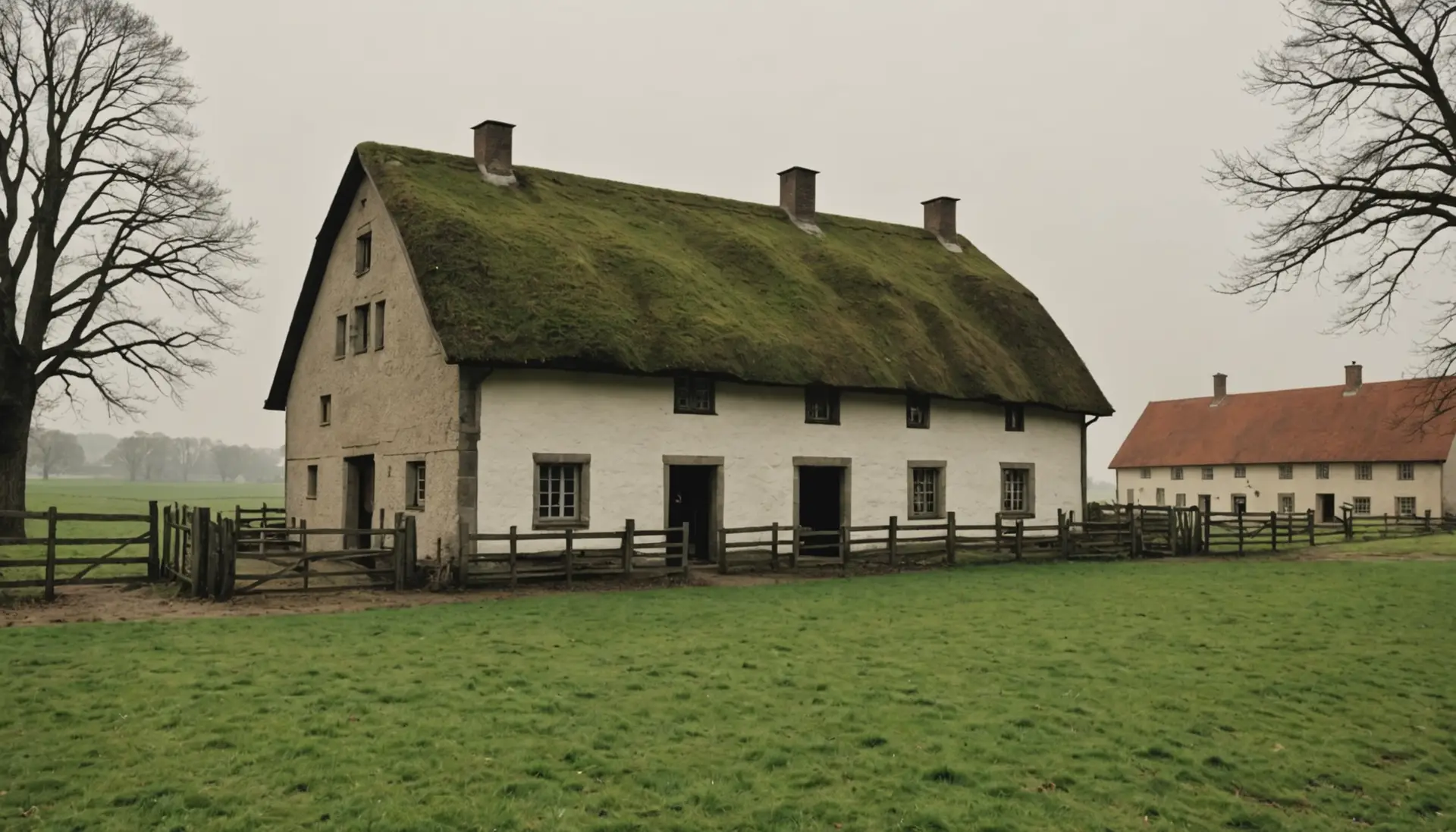
The Hinterkaifeck murders remain one of the most perplexing and chilling unsolved cases in German history. The events that transpired on that fateful night have left an indelible mark on the collective memory of the region, a haunting reminder of the fragility of life and the darkness that can lurk in the most familiar places. As whispers of the tragedy spread through nearby villages, they transformed into a tapestry of fear and speculation, weaving a narrative that would captivate and terrify generations to come.
The victims included Andreas Gruber, the patriarch; his wife, Cäcilia; their daughter Viktoria; her husband, Josef; and their two young children, who were just beginning to understand the world around them. Each had been struck down with a mattock, a tool typically used for farming, now transformed into an instrument of horror. The brutality of the act left investigators grappling with questions that would remain unanswered for decades. How could such violence erupt in a place so seemingly tranquil? What had driven someone to commit such an atrocity against an entire family?
The Gruber family was not without its troubles. Rumors swirled about familial discord and financial strain, whispers that hinted at deeper rifts beneath their seemingly ordinary existence. The arrival of a new son-in-law brought both hope and tension; Josef’s presence added another layer to an already complicated family dynamic. Yet, despite these challenges, they were bound by love and shared history—a bond that would be shattered in an instant.
As authorities combed through the remnants of life at Hinterkaifeck, they uncovered unsettling details that only deepened the mystery. The family’s livestock had been left unattended, their cries echoing into the night as if they too sensed something amiss. A strange set of footprints led away from the farmhouse but vanished into the surrounding woods, leaving investigators with more questions than answers. How could someone commit such an act and then simply disappear? The very air seemed to thrum with unanswered questions as investigators struggled to piece together what had transpired.
As days turned into weeks, speculation ran rampant throughout Bavaria. The isolation of Hinterkaifeck became both a blessing and a curse; while it shielded the family from outside influences, it also created an environment ripe for suspicion and paranoia. The community grappled with its own fears—who among them could be capable of such violence? The investigation became a reflection of their own anxieties, as they sought answers in a world that suddenly felt perilously unsafe.
One name that surfaced repeatedly was that of a former farmhand who had worked for Andreas Gruber but had left under contentious circumstances. His sudden disappearance after the murders only fueled speculation about his involvement. Yet as investigators delved deeper into his background, they found little concrete evidence linking him to the crime. The more they searched for answers, the more elusive they became; it was as if the truth had slipped through their fingers like grains of sand.
One particularly haunting theory posits that Andreas Gruber himself may have been aware of impending danger but failed to act on it due to his steadfast belief in his own ability to protect his family. This notion paints him not just as a victim but as a tragic figure caught in a web of denial and fear—a man who could not foresee that his world would unravel so violently. As investigators sifted through evidence and witness accounts, they found themselves grappling with not just who committed this atrocity but why it happened at all.
In time, some families moved away from Hinterkaifeck altogether, unable to bear living in proximity to such tragedy. The farm itself fell into disrepair; nature began reclaiming what had once been vibrant fields and bustling barns. Yet even as time passed, memories lingered like shadows in twilight—an unshakeable reminder that evil can exist in even the most unassuming places.
As years turned into decades and decades into nearly a century, Hinterkaifeck transformed from a mere location into a symbol—a cautionary tale about trust and betrayal in close-knit communities. It serves as a reminder that beneath layers of normalcy can lie untold horrors waiting to be unearthed.
These portrayals often grapple with themes of isolation and fear while attempting to shed light on what might have driven someone to commit such an act against an entire family. Yet despite these efforts to understand or explain what happened at Hinterkaifeck, one truth remains: no matter how many theories are proposed or stories told, some mysteries are destined to linger in darkness.
In seeking answers about what transpired on that fateful night in 1922, we confront not just our fascination with true crime but also our own fears about vulnerability and loss. The haunting legacy of Hinterkaifeck serves as both a reminder and a warning: sometimes darkness can emerge from even the most familiar places—and some questions may never find resolution in our search for understanding.