
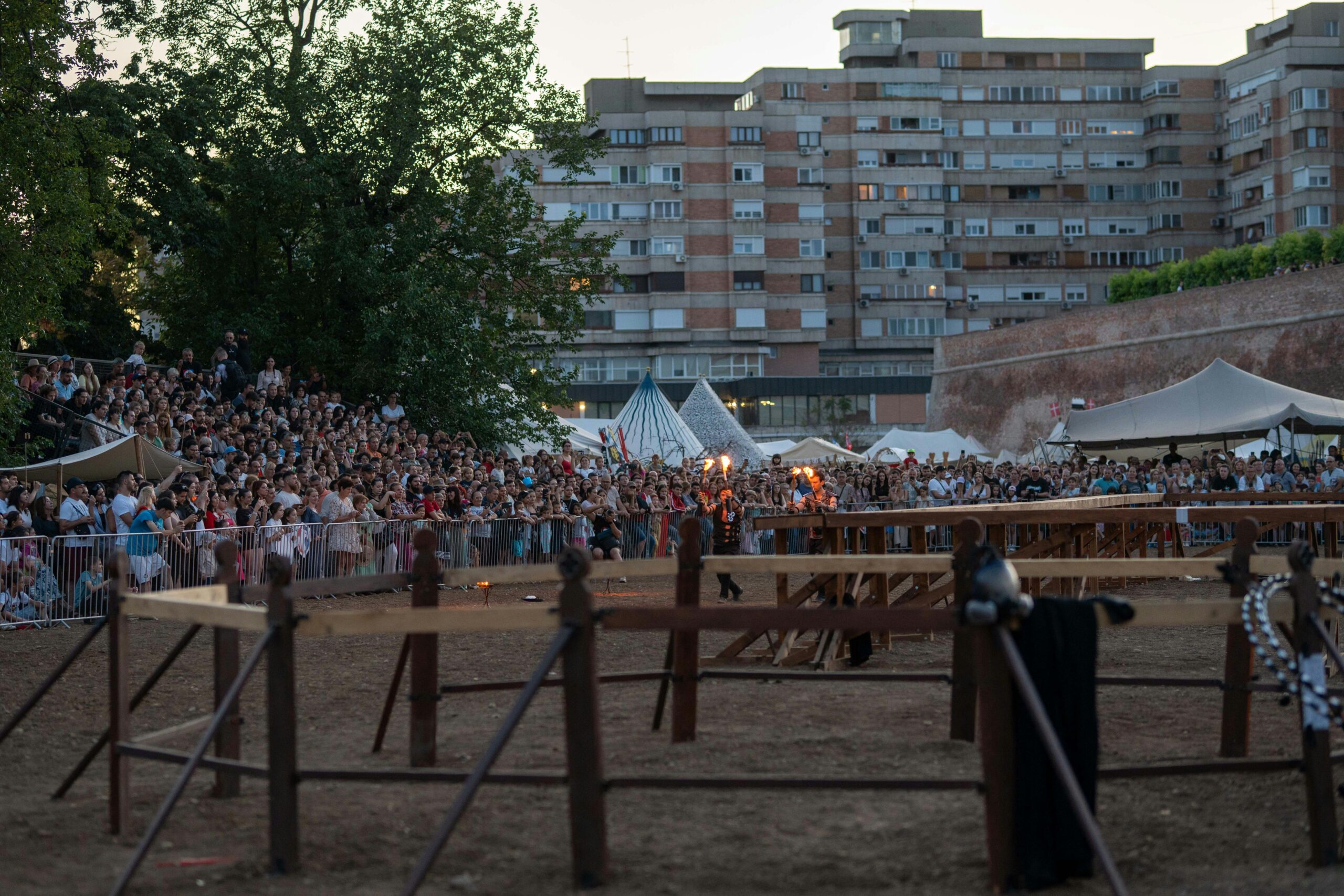
In the summer of 1374, the streets of Aachen, a city nestled in what is now western Germany, echoed with an unsettling cacophony. A throng of men and women, their faces flushed and wild, danced with an urgency that seemed to defy reason. They twirled and leaped, their bodies moving in a frenzy that appeared both joyous and desperate. The air was thick with the scent of sweat and earth, mingling with the faint aroma of wildflowers that had begun to bloom in the fields surrounding the city. Onlookers watched in a mix of horror and fascination as the dancers spun into a trance-like state, seemingly unable to stop. This was not an isolated incident; it was part of a phenomenon that would come to be known as the Dancing Mania, a strange and haunting chapter in the annals of medieval Europe.
The origins of this peculiar affliction remain shrouded in mystery, a puzzle that has intrigued historians and psychologists alike for centuries. The Dancing Mania first emerged in the 14th century, although accounts suggest that similar episodes may have occurred even earlier. It spread like wildfire across various regions of Europe, from the banks of the Rhine to the cobbled streets of Strasbourg. The phenomenon was not confined to a single location or demographic; it affected people from all walks of life, regardless of age or social status. The sheer unpredictability of its outbreaks left communities reeling, as entire towns found themselves swept up in this inexplicable fervor.
As the mania took hold, it often manifested in public spaces—town squares, marketplaces, and even churches became stages for this bizarre spectacle. The dancers would often gather in groups, their movements synchronized yet chaotic, as if compelled by an unseen force. Some accounts describe individuals collapsing from exhaustion, only to be revived and drawn back into the fray. The atmosphere was electric, charged with a mix of exhilaration and dread. It was as if the very fabric of reality had been torn asunder, allowing something otherworldly to seep into the lives of ordinary people.
Central to the narrative of the Dancing Mania is the figure of St. Vitus, a Christian martyr whose legacy became intertwined with this strange phenomenon. Revered as the patron saint of dancers and actors, St. Vitus was believed to possess the power to cure ailments through dance. His cult gained traction during the Middle Ages, particularly in regions where outbreaks of the mania were most prevalent. Pilgrimages to his shrines became common, as desperate individuals sought solace and healing from their affliction. The connection between St. Vitus and the mania was not merely symbolic; it reflected a deep-seated belief in the supernatural forces that governed human behavior during this tumultuous period.
The symptoms exhibited by those caught in the throes of the Dancing Mania were as varied as they were alarming. Participants often reported feelings of euphoria mixed with an overwhelming compulsion to dance, sometimes for hours on end. Their bodies moved with an almost mechanical precision, yet their expressions betrayed a sense of anguish and loss of control. Some dancers experienced hallucinations or delusions, while others succumbed to physical exhaustion or injury. The phenomenon was not merely a whimsical display; it was a manifestation of deeper psychological and social tensions that permeated medieval life.
The cultural impact of the Dancing Mania was profound, reverberating through communities long after the last dancer had collapsed. It served as a mirror reflecting the anxieties and fears of a society grappling with disease, famine, and social upheaval. The late 14th century was marked by the ravages of the Black Death, which had decimated populations across Europe. In this context, the mania can be seen as a collective response to trauma—a way for individuals to express their grief and despair through movement. The act of dancing became a form of catharsis, a release valve for pent-up emotions that could no longer be contained.
As historians sift through the remnants of this peculiar episode, various theories have emerged to explain its origins and manifestations. Some scholars suggest that ergotism—a condition caused by consuming rye infected with a hallucinogenic fungus—may have played a role in triggering these mass outbreaks. Others point to social factors such as economic instability or religious fervor as potential catalysts for the mania. The truth likely lies somewhere in between; it is a complex interplay of biological, psychological, and sociocultural elements that defies easy categorization.
The Dancing Mania also invites comparisons to other instances of mass hysteria throughout history. From the Salem witch trials to more recent phenomena like the “laughing epidemic” in Tanzania in 1962, these episodes reveal a recurring pattern: when societal pressures mount and individuals feel powerless, they may turn to collective behavior as a means of coping. The Dancing Mania stands out not only for its unique expression but also for its ability to transcend geographical and temporal boundaries, echoing through time as a reminder of humanity’s vulnerability in the face of uncertainty.
Religion and superstition played an integral role in shaping perceptions of the Dancing Mania. In an era when faith governed daily life, many viewed the phenomenon through a spiritual lens. Some believed it was divine punishment for sin or a test of faith; others saw it as an opportunity for redemption through dance. The intertwining of religious fervor with social unrest created a fertile ground for such expressions of collective behavior. As communities grappled with their own beliefs about morality and divine intervention, the mania became both a source of fear and fascination.
As time passed, the frequency and intensity of Dancing Mania outbreaks began to wane. By the late 17th century, reports of mass dancing events diminished significantly, leading some historians to speculate about their eventual disappearance. Various factors contributed to this decline: changing social structures, shifts in religious beliefs, and evolving understandings of mental health all played a role in reshaping how communities responded to collective behavior. The mania faded into obscurity, leaving behind only fragmented accounts and lingering questions.
In contemporary discussions about the Dancing Mania, modern interpretations often seek to contextualize this historical phenomenon within our current understanding of psychology and sociology. Some researchers view it through the lens of mass psychogenic illness—a condition where groups experience similar symptoms without any identifiable physical cause. Others explore its implications for understanding trauma responses in communities facing crises. While much remains uncertain about the specifics of these outbreaks, they serve as a poignant reminder that human behavior is often shaped by forces beyond individual control.
The legacy of the Dancing Mania endures as an enigmatic chapter in medieval history—a testament to humanity’s capacity for both joy and despair. It reflects a time when faith intertwined with fear, when communities sought solace in movement amidst chaos. As historians continue to unravel its complexities, one thing remains clear: the echoes of those wild dances still resonate today, inviting us to ponder our own responses to uncertainty and collective experience. In examining this strange episode from centuries past, we are reminded that beneath the surface of history lies a rich tapestry woven from human emotion—a tapestry that continues to shape our understanding of ourselves and each other in an ever-changing world.